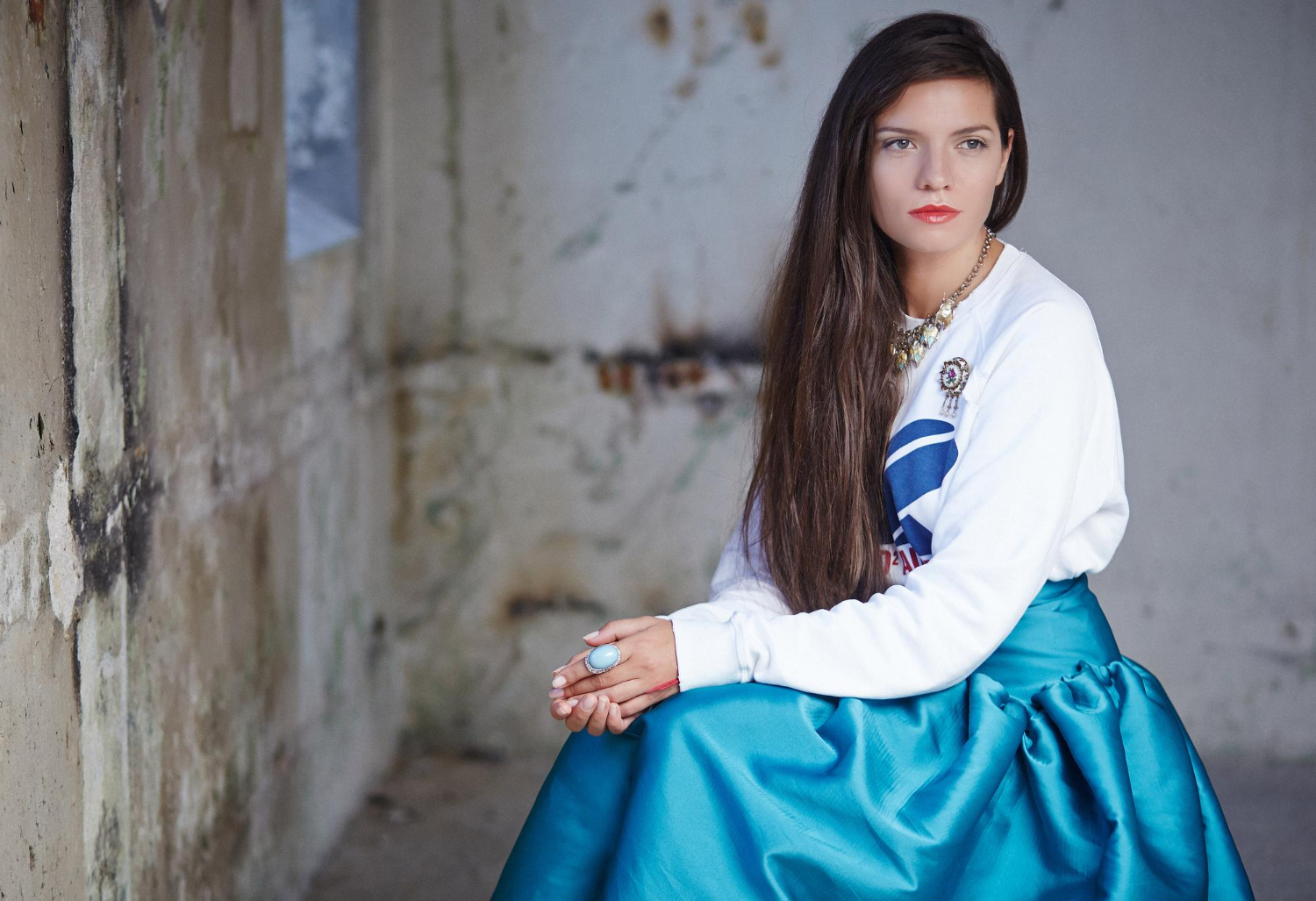
European women in cities have adapted to the same professional and social frameworks that define women in New York, London or Sydney. Careers come first. Marriage is delayed. Children are optional. That trajectory makes sense for urban economies and nobody should criticize women who follow it. But European village women operate on a different calendar entirely. Marriage happens younger. Children arrive earlier. Family meals are cooked from ingredients that grew in the yard that morning. The rhythm of life follows seasons rather than fiscal quarters. Women in Eastern Europe carry this pattern most visibly, and anyone who spends time exploring profiles and cultural insights on https://european-dating-sites.org/ will quickly notice how strongly village life has preserved traditions that Western Europe industrialized away two generations ago. Villages in Ukraine, Moldova, Romania, Poland, and the Balkans still reflect that older rhythm. A woman from a village near Chernivtsi in western Ukraine can bake bread from scratch, mend a fence, manage a small farm, and raise three children while her husband works in a neighboring city during the week. That combination of domestic skill and physical resilience is not a performance of femininity. It is survival shaped into habit by generations of women who had no other option and passed the knowledge forward as inheritance.
Sweet European women from village backgrounds tend to bring a warmth into relationships that urban dating has conditioned out of many people. Hospitality is not a gesture. It is a reflex. A visitor to a Ukrainian or Romanian village home will be fed before being asked why they came. The table appears within minutes of arrival regardless of whether the woman expected company. That instinct carries directly into romantic relationships where a village-raised European woman will care for her partner with a physical attentiveness that men from Western countries describe as overwhelming at first and irreplaceable once they adjust. For men specifically interested in Ukrainian women from these backgrounds, the guide on finding a Ukrainian wife covers how to connect with women who carry these values into a modern partnership.
Famous European Women Started in Villages Too
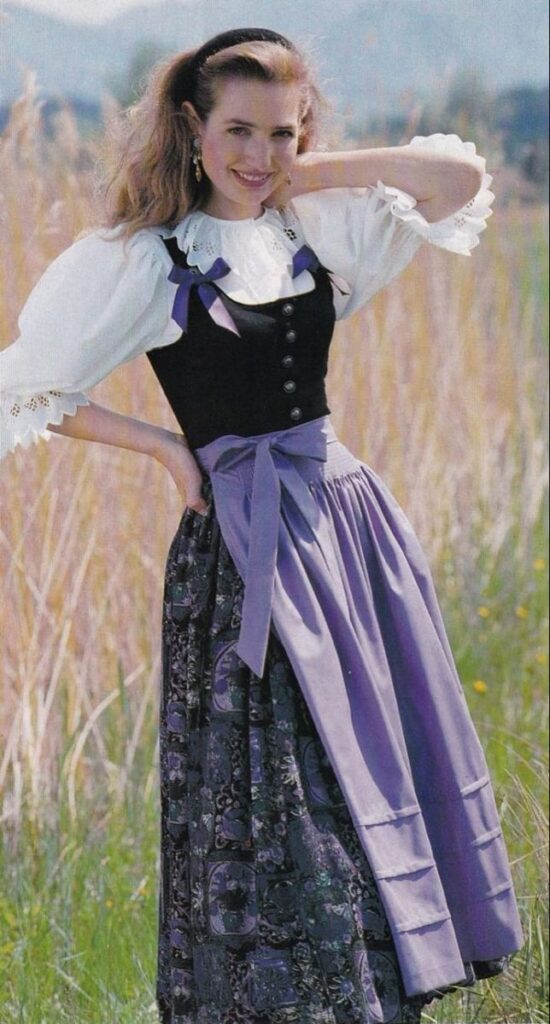
Famous European women who shaped history often came from rural beginnings that defined their character long before the world learned their names. Marie Curie grew up in a Poland where village education for women was an act of defiance against Russian occupation. Coco Chanel was raised in an orphanage in rural Saumur before turning deprivation into the most recognized fashion house on earth. Mother Teresa was born in Skopje when it was still a small Balkan town with unpaved roads and Orthodox church bells marking the hours.
Top European women in politics, science, literature and business trace their resilience to rural childhoods more often than their biographies emphasize. The discipline that a village instills, early mornings, manual labor, responsibility for siblings, respect for elders, becomes the foundation that later supports extraordinary achievement. European village women who never become famous carry that same discipline into households, farms and local businesses where the impact is invisible to the outside world but foundational to the communities that depend on them.
Women European historians often overlook are the ones who held villages together during wars, famines and political upheavals while the men were conscripted, imprisoned or dead. Eastern European village women in particular survived the 20th century through a combination of physical toughness and emotional endurance that no urban lifestyle could replicate or prepare someone for. That historical resilience still echoes in how their granddaughters approach adversity today.
European Women vs American and Where the Differences Start
European women vs American women comparisons flood the internet and most of them rely on stereotypes that help nobody. The meaningful differences between European village women and American women are not about beauty or weight or attitude. They are about how each culture defines the role of a woman inside a household and inside a community.
American women are raised to be independent first and partnered second. The cultural message is clear: Build your own career, maintain your own finances, define yourself outside of any relationship. That framework produces capable, self-sufficient women and it also produces a dating culture where partnership feels like an addition to an already complete life rather than a co-creation of something new.
European village women grow up with partnership as the default assumption. Not dependency. Partnership. She expects to contribute and she expects him to contribute and the contributions are divided by ability and circumstance rather than by ideology. A Romanian village woman who manages the household is not subordinated. She is running a domestic operation that produces food, manages finances, raises children and maintains social relationships simultaneously. The men who understand this distinction are the ones who build successful cross-cultural marriages. The men who interpret tradition as submission lose these women faster than they found them.
Talking to European women from village backgrounds requires adjusting your communication style. She will be direct about family expectations early in the relationship and she will evaluate your relationship with your own parents as a measure of your character. These are not tests designed to trap you. They are practical assessments from a woman who was taught that time spent with the wrong man is time stolen from the right one. Russian women from rural backgrounds share many of these communication patterns, and the article on finding a Russian wife explores how those conversations unfold across the courtship process.
Meeting European Women from Villages in a Digital World
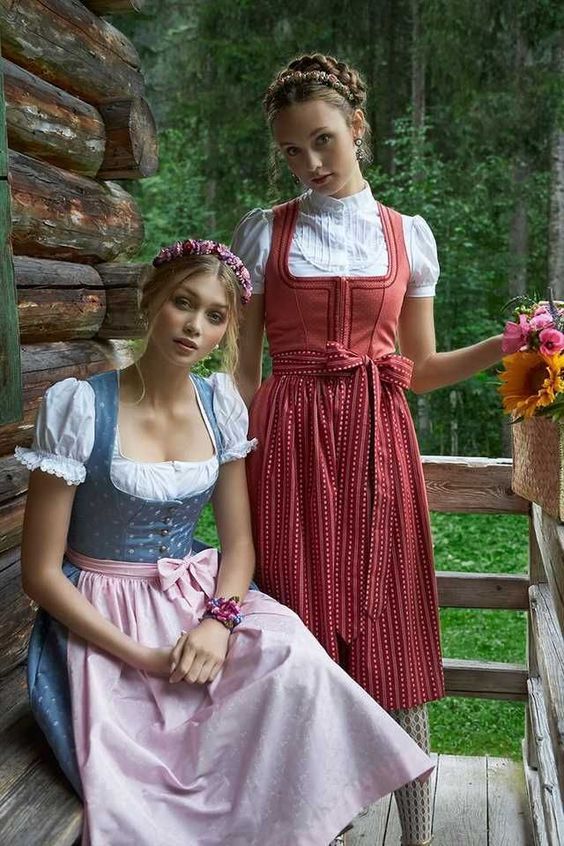
Meeting European women from rural backgrounds has shifted online over the last decade as internet access reached even the smallest villages across Eastern Europe. Women who would have been invisible to foreign men ten years ago now carry smartphones, maintain social media profiles and register on international dating websites from kitchens that overlook wheat fields and walnut orchards.
European women seeking men from Western countries tend to concentrate on websites that cater specifically to international matching. InternationalCupid, UkrainianCharm and RussianCupid carry profiles from women in small towns and villages who are open to relocation for the right partner. The profiles from village women tend to be shorter and more practical than urban profiles. Less about hobbies and travel aspirations, more about family size, cooking skills and what kind of home she wants to build. That practicality is the village showing through the screen.
The men who succeed in meeting European women from these backgrounds share a common approach. They visit. Not as a vacation with a dating app open on the side, but as a deliberate trip to meet a specific woman in her environment. Seeing her village, meeting her family and eating her food tells you more about compatibility in three days than six months of video calling from separate continents. The logistics of planning that trip, including what to expect and how to prepare, are covered in the guide on organizing your wedding and special day for couples who have already moved past the introduction stage and into planning a future together.
Traditional European village women are not relics of a disappearing world. They are living proof that modernity and tradition can coexist inside the same person. A woman who milks a goat at dawn and checks her dating profile at lunch is not contradicting herself. She is adapting the way village women have always adapted: by keeping what works and adding what is needed without throwing away anything that still holds value.

Leave a Reply